You woke up today, crushed a 5 AM spin class, ate a tiny kale salad for lunch, and somehow the scale went up by 2 pounds. I’ve been there, and honestly, it’s enough to make you want to throw that expensive smart scale out the window. If you feel like your body staged a silent coup the moment you hit 50, you aren’t imagining things. Your old “eat less, move more” manual belongs in the trash because your hormones just rewrote the rules.
I spent years fighting my “menopause middle” with more cardio and fewer calories, only to end up exhausted and even puffier. I finally realized that my metabolism didn’t die; it just changed its language. To get it back on your side, you need to stop punishing your body and start nourishing your new hormonal landscape. The Menopause Reset focuses on five specific pillars that turn your metabolic furnace back on. Are you ready to stop the frustration and start seeing actual changes in how your clothes fit? I’ve laid out the exact roadmap I used to reclaim my energy and shrink my cortisol belly. This isn’t a “diet” in the traditional, miserable sense. This is a strategic hormonal recalibration.
Step 1: Fire the Stress Hormone (Cortisol)
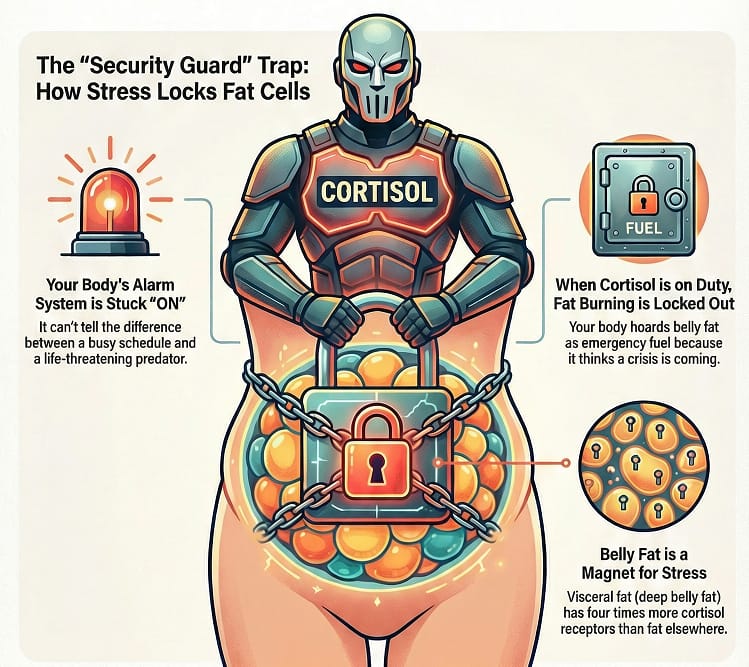
Ever wonder why you’re suddenly carrying a “spare tire” only around your waist, even though your arms and legs stayed the same? You can thank cortisol for that. As estrogen drops, your body becomes significantly more sensitive to stress. High cortisol levels stop your menopause reset. It signals your body to store visceral fat deep inside your abdomen. This fat protects your organs, but it also creates that stubborn “menopause pooch” that resists every sit-up in the book.
If you over-exercise or under-eat, your brain perceives a crisis. It pumps out more cortisol, which then spikes your insulin. Insulin is your primary fat-storage hormone. When insulin stays high because you’re stressed or starving, your body physically cannot burn stored fat for fuel. You’re essentially locked out of your own energy reserves.
How to Tame the Cortisol Monster and Start Menopause Reset?
Stop doing long, grueling cardio sessions that leave you depleted. I traded my hour-long runs for 20-minute walks and heavy lifting. This shift lowered my systemic stress and finally allowed my middle to shrink. FYI, your body needs to feel safe to let go of fat. 🙂
- Prioritize Sleep: Six hours won’t cut it anymore; aim for seven to eight to keep morning cortisol in check.
- Limit Caffeine on an Empty Stomach: Coffee before food sends your stress hormones into a frenzy. (Read – What to Drink While Fasting After 50? The Ultimate Guide)
- Embrace Daily “Down-Regulation”: Five minutes of deep breathing tells your nervous system the lion isn’t chasing you.
Step 2: Hit the 30g Protein Threshold
Most women I talk to are accidentally starving their muscles. We grew up in the era of “low fat” and “snack-wells,” which conditioned us to fear calories. But here is the metabolic truth: You are losing muscle mass every single year after 40. This process, called Sarcopenia, is the number one reason your metabolism slows down.
To stop this, you must hit a specific “Leucine trigger” at every meal. Research shows that women over 50 need 30 to 40 grams of high-quality protein per meal to jumpstart muscle repair. If you only eat 15 grams, your body won’t trigger the metabolic machinery needed to maintain your muscles. You end up “skinny fat” with a metabolism that burns fewer calories at rest.
💡 Pro Tip: Don’t let muscle loss stall your progress. [Check out my deep dive into 30g Protein Meals here] to learn the exact science of fueling your body in midlife.
Why Protein is Your Best Friend
Protein has the highest thermic effect of food (TEF). Your body burns about 25–30% of the protein calories just trying to process them. Compare that to carbs, where you only burn about 5–10%. I noticed my sugar cravings vanished the moment I started prioritizing 30g of protein at breakfast. * Choose High-Quality Sources: Whey isolate, lean beef, wild salmon, or a high-quality pea/rice blend.
- Don’t Forget Collagen: It’s great for your joints and skin, but remember it isn’t a complete protein for muscle.
- Spread it Out: Your body can’t “store” protein for later, so you need that 30g hit at breakfast, lunch, and dinner.
A Little Help for Your Kitchen Journey
I know that understanding the science is one thing, but standing in your kitchen on a busy Tuesday night is another. We’ve all had those moments where we just want someone to tell us exactly what to eat to feel better!
After seeing how these 5 steps transformed not only my life but the lives of so many women in our community, I decided to make it even easier for you. – I’ve poured my heart and kitchen secrets into The Menopause Weight Loss Reset Cookbook. It’s more than just a book; it’s a complete 30-day plan filled with simple, hormone-friendly recipes designed specifically for our Second Spring. If you’re ready to take the guesswork out of your meals and finally enjoy food that loves you back, you can find it right now in my [Resource Hub].
Step 3: Master the “Gentle Fast”
You’ve probably heard everyone from your neighbor to your doctor raving about Intermittent Fasting (IF). While it works wonders for insulin resistance, women in menopause need a different approach. Aggressive 24-hour fasts often backfire, spiking cortisol and crashing thyroid hormone levels. We need a “Gentle Fast” that respects our adrenal health while still giving our digestive system a break.
IMO, a 12 to 14-hour fasting window is the “sweet spot” for most women over 50. This gives your body enough time to lower insulin levels and access stored fat without triggering a starvation response. Ever notice how you feel lighter and less bloated when you stop eating by 7 PM? That’s your body finally moving into “repair mode” instead of “digest mode.”
Fasting for Cellular Renewal (Autophagy)
When you fast gently, your body triggers a process called autophagy. Think of this as a cellular “spring cleaning” where your body clears out damaged cells. This process improves your skin’s glow and boosts your mitochondrial energy. You aren’t just losing weight; you’re slowing down the biological aging process.
- Start with 12 Hours: Eat dinner at 7 PM and breakfast at 7 AM.
- Hydrate During the Window: Drink black coffee, plain tea, or water with sea salt to replenish electrolytes.
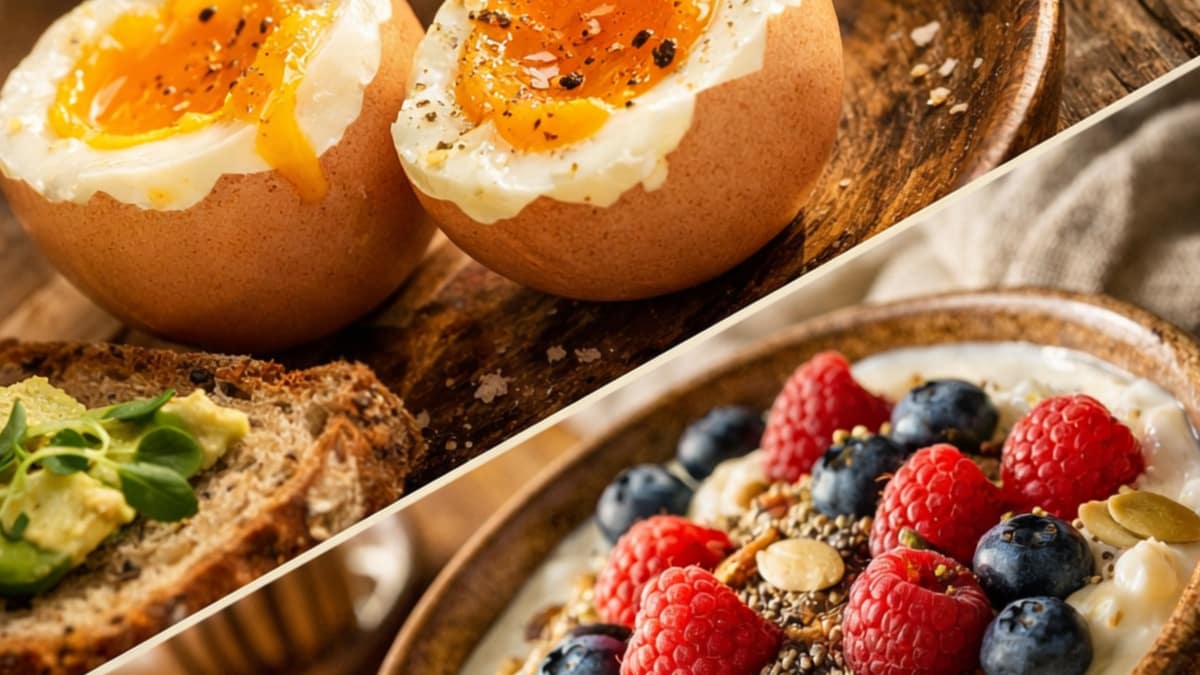
- Break Your Fast with Protein: Never break a fast with a sugary muffin; use eggs or a shake to keep insulin stable.
The “New Immune System” Secret
If you want to see the true power of autophagy, you have to look at what happens when we go a bit deeper. I’ve been fascinated by Dr. Eric Berg’s research on prolonged fasting – specifically how a 72-hour fast can literally reboot your entire immune system.
According to Dr. Berg, fasting triggers the body to kill off old, damaged white blood cells that are just taking up space [02:29]. Once those “cellular zombies” are cleared out, your body activates stem cells to build a brand new, stronger army of immune cells [02:15]. It’s like hitting the “factory reset” button on your health. While we focus on our daily “Sacred Pause,” it’s so inspiring to know that we’re giving our bodies the chance to stay resilient and young from the inside out.
It was exactly these discoveries that changed everything for me; I stopped fearing the fast and started celebrating it. Started menopause reset.
[WATCH THE FULL VIDEO BY DR. BERG HERE] If you want to understand exactly how fasting supports your white blood cells and clears out inflammation, I highly recommend this 3-minute guide: 72-Hour Fasting Benefits on the Immune System.
Step 4: Heal the “Estrobolome” (Gut Health)
I spent years ignoring my digestive issues, thinking they were just a part of aging. I was wrong. When I focused on diverse fiber and fermented foods, my energy levels soared. Your gut bacteria produce short-chain fatty acids that actually tell your brain to burn fat. If your “good” bacteria are starving, they can’t send those signals.
The Bloat-Busting Strategy
Fiber is your secret weapon, but you need the right kind. I recommend at least 25–30 grams of fiber daily from whole food sources. Fiber acts like a broom, sweeping excess estrogen and toxins out of your system. This prevents “estrogen dominance,” which often contributes to weight gain in the hips and thighs.
- Add Fermented Foods: A spoonful of sauerkraut or a glass of kefir provides billions of beneficial bacteria.
- Focus on Prebiotic Fiber: Onions, garlic, and slightly under-ripe bananas feed your “lean” bacteria.
- Consider Digestive Enzymes: As we age, we produce fewer enzymes, making it harder to break down those 30g of protein.
“While protein is the anchor of your metabolism, your liver is the filter. To see faster results with your ‘menopause middle,’ I recommend starting with my [7-Day Liver-Support Smoothie Reset] to clear the path for your new protein-rich lifestyle.”
Step 5: Lift Heavy Things (Trade Cardio for Weights)
If you are still trying to run your way to a flat stomach, I need you to listen closely: Chronic cardio is a metabolic thief after 50. Running for an hour might burn 400 calories in the moment, but it often raises cortisol and makes you ravenously hungry later. Strength training, however, builds the tissue that burns calories while you sleep.
Muscle is metabolically expensive. Your body has to work hard just to keep it on your frame. By lifting weights twice a week, you turn your body into a 24/7 fat-burning machine. I’m not talking about 2lb pink dumbbells, either. You need to lift weights that actually challenge your muscles to grow and adapt. Don’t worry, you won’t “bulk up”—you don’t have enough testosterone for that anymore!
The Power of Resistance Training
You don’t need a gym membership to see results. Bodyweight squats, push-ups, and lunges improve insulin sensitivity. When you use your muscles, they “soak up” glucose from your blood, so you need less insulin. This is the fastest way to reverse insulin resistance and shrink that belly fat.
- Lift 2–3 Times Weekly: Focus on big movements like squats, deadlifts, and presses.
- Keep HIIT Short: If you love intensity, keep it to 10–15 minutes twice a week.
- Walk Every Day: A 10-minute walk after meals is the “gold standard” for lowering blood sugar spikes.
Conclusion: Your Metabolism Isn’t Broken
Let’s wrap this up with a reality check. You cannot “starve” your way to a healthy menopause. Your body is smarter than that. When you follow these five steps, you stop fighting against your biology and start working with it. You’ll notice that the brain fog lifts, your sleep improves, and suddenly, those jeans from three years ago start fitting again.
The Menopause Reset is about longevity, energy, and confidence. It’s about being the woman who walks into a room and feels vibrant, not the one hiding under a baggy tunic. I know it feels daunting to change your habits, but you deserve to feel good in your skin again. Start with Step 1 and Step 2 this week. Once you feel that first surge of energy, the rest will fall into place. 🙂
Warmly,
Anna Collins
🧪 Scientific Proof & Resources
Taming Belly Fat from Stress (Cortisol Blues)
- “Cardiovascular Health During Menopause Transition: Stress, Cortisol, and Visceral Fat Redistribution” (2025, PMC). Estrogen drop triggers metabolic shifts; chronic stress activates HPA axis, spiking cortisol for abdominal fat buildup, hypertension, and insulin issues. https://pmc.ncbi.nlm.nih.gov/articles/PMC12352403/
- “Perimenopause as an Obesogenic Sensitive Period: Estrogen Decline and VAT Expansion” (2025, PMC). Even modest weight gain shifts to visceral fat due to hormonal changes; stress exacerbates via cortisol/androgen imbalance. https://pmc.ncbi.nlm.nih.gov/articles/PMC5916011/
- “Chronic Stress Increases Vulnerability to Diet-Related Visceral Fat in Postmenopausal Women” (recent update in PMC collection). Caregiving stress + cortisol predicts 18-month visceral fat rise; low estrogen makes body “hold on” protectively. https://pmc.ncbi.nlm.nih.gov/articles/PMC5916011/
Power Up Your Meals with 30g+ Protein (Fight “Skinny Fat”)
- “Role of Protein Intake in Maintaining Muscle Mass During Aging: Moderately High-Protein Diet (1.2 g/kg/day) in Elderly Females with Sarcopenia” (2025, PMC). RCT shows 1.2 g/kg (translating to 30–40g/meal evenly distributed) significantly increases muscle area/strength vs. 0.8 g/kg; leucine drives MPS despite anabolic resistance. https://pmc.ncbi.nlm.nih.gov/articles/PMC12104658/
- “Protein and Aging: Practicalities and Practice – 25–30g Per Meal Maximizes MPS in Older Adults” (2025, PMC). Even distribution of 25–40g high-quality protein (whey/pea with leucine) per meal sustains muscle, prevents loss; pre-sleep 40g adds benefits. https://pmc.ncbi.nlm.nih.gov/articles/PMC12348035/
- “Effectiveness of Protein-Enriched Supplements in Middle-Aged/Elderly Women: Preserves Lean Mass” (2025, PMC). 30g+ boosts MPS, counters menopause-related estrogen drop effects on muscle; pairs with resistance training for optimal repair. https://pmc.ncbi.nlm.nih.gov/articles/PMC12179993/
Easy 12–14 Hour Fasts for Glowy Skin and Energy (No Crash Diets)
- “The Effects of Intermittent Fasting on Antioxidant and Inflammatory Markers in Postmenopausal Women” (2025). 16:8 IF (close to 14h fast) cut oxidative stress, inflammation, and liver enzymes without harming hormones – boosted steady energy via metabolic repair. https://www.nature.com/articles/s41598-025-86734-0
- “Effect of Time-Restricted Eating with Exercise on Cardiometabolic Health in Menopausal Women” (2024). Gentle TRE activated autophagy against stress, improved body comp/insulin, and supported thyroid – no cortisol crashes. https://pmc.ncbi.nlm.nih.gov/articles/PMC11494798/
- “Intermittent Fasting Improves Metabolic Markers in Pre- and Post-Menopausal Women” (2024). Ramadan-style ~12–14h fasts enhanced fat access, reduced insulin resistance safely during menopause transition. https://pmc.ncbi.nlm.nih.gov/articles/PMC11652164/
Fix Your Gut for Less Bloat and Better Fat Burn (Estrobolome Magic)
- “Dietary Fiber as Prebiotics: A Mitigation Strategy for Metabolic Diseases via SCFAs” (2025, PMC). Prebiotic fibers (inulin from onions/garlic, FOS) ferment into SCFAs like propionate, boosting satiety hormones (GLP-1, PYY), cutting obesity, and aiding estrogen clearance. https://pmc.ncbi.nlm.nih.gov/articles/PMC12346507/
Lift Weights, Ditch Endless Cardio (Build Your Fat-Burning Engine)
- “Effects of Resistance Training on Body Composition and Muscle Strength in Postmenopausal Women: A Systematic Review” (2024, PMC) shows that lifting heavy 2–3x/week prevents sarcopenia, increases resting metabolism via muscle gain, and targets visceral fat without hypertrophy in women with low testosterone. https://pmc.ncbi.nlm.nih.gov/articles/PMC12406911
Medical Disclaimer
“The content on Blog Life Cookery, including text, graphics, and images related to metabolic health, CGMs, dietary supplements, and hormonal balance, is for informational and educational purposes only. It is not intended as a substitute for professional medical advice, diagnosis, or treatment. Always consult your physician before starting any new supplement regimen, as certain vitamins and minerals may interact with prescription medications. Never disregard professional medical advice or delay seeking it because of anything you have read on this website.”
Affiliate Disclosure:
“In compliance with the FTC guidelines, please assume that some of the links on this website are affiliate links. If you click a link and make a purchase, I may receive a small commission at no extra cost to you. I only recommend products – such as CGM sensors, health trackers, and high-quality supplements – that I have personally tested or thoroughly researched. This support helps keep the ‘Bio-Metabolic Kitchen’ running and providing data-driven insights for women 40+.”