If you have been trying to eat more protein through perimenopause and menopause, you probably know the hard part is not the idea. It is Tuesday night, a tired brain and a fridge that does not seem to add up to dinner.
That is exactly what my next cookbook is for. The Perimenopause & Menopause High-Protein Cookbook has 110 easy, everyday recipes, from breakfast to dinner, and every breakfast, lunch and dinner in it has at least 30 grams of protein per serving. It is not on Amazon yet. Below is a first look inside, with real recipes and photos from the book.
What’s inside the new high-protein cookbook
- 110 recipes in 10 chapters: breakfasts, make-ahead lunches, 30-minute dinners, sheet pan and one-pot meals, slow cooker and batch cooking, fish and seafood, vegetarian meals, soups and big salads, snacks, and desserts.
- A photo with every recipe, so you know what you are aiming for.
- Protein per serving on every recipe, worked out from the weighed ingredients, plus calories, fibre, sodium and allergens.
- At least 30 g of protein in every breakfast, lunch and dinner, and at least 10 g in every snack and dessert.
- A 4-week meal plan for two people, with leftovers planned in, and a shopping list for each week in UK and US measures.
- Handy extras: how to halve every recipe when you cook for one, 15 low-cost recipes, every recipe ranked by grams of protein, and an allergen guide.
The ingredients are ordinary ones: eggs, Greek yogurt, cottage cheese, chicken, fish, tofu, beans and lentils. No protein powders and nothing you have to order online.
While you wait for this book, the Menopause High-Protein Slow Cooker Cookbook is out now, and its page has a free 7-day meal plan you can download.
Why 30 grams of protein at a meal?
Muscle mass tends to fall slowly with age, and many women start to notice it in their late forties and fifties: stairs feel steeper, jars feel tighter. Strength training and protein both matter, and protein is the part a cookbook can help with.
An international expert group, the PROT-AGE Study Group, recommends 1.0 to 1.2 grams of protein per kilogram of body weight a day for healthy adults over 65, above the 0.8 g/kg used for younger adults (1). The 2022 ESPEN guideline for older people also sets at least 1 g/kg a day, adjusted to the individual (2). Both are based mostly on research in adults over 65, not on women in perimenopause or menopause, so the book uses these figures as context, not as a personal prescription.
Studies also suggest that roughly 25 to 30 grams of high-quality protein at a meal can give a good muscle-building stimulus in many adults, although the response varies with age, body size, activity and the rest of your day (3). Much of that research is short-term and often in older men. That is where the 30 in this book comes from: a practical starting point, not a biological rule.
One important caution: if you have chronic kidney disease, or have ever been told to limit protein, please don’t raise your intake because of a cookbook. Ask your doctor what your kidney blood tests (creatinine and eGFR) allow.
A look inside: four recipes from the book
Shakshuka with Feta & Chickpeas (31 g protein)
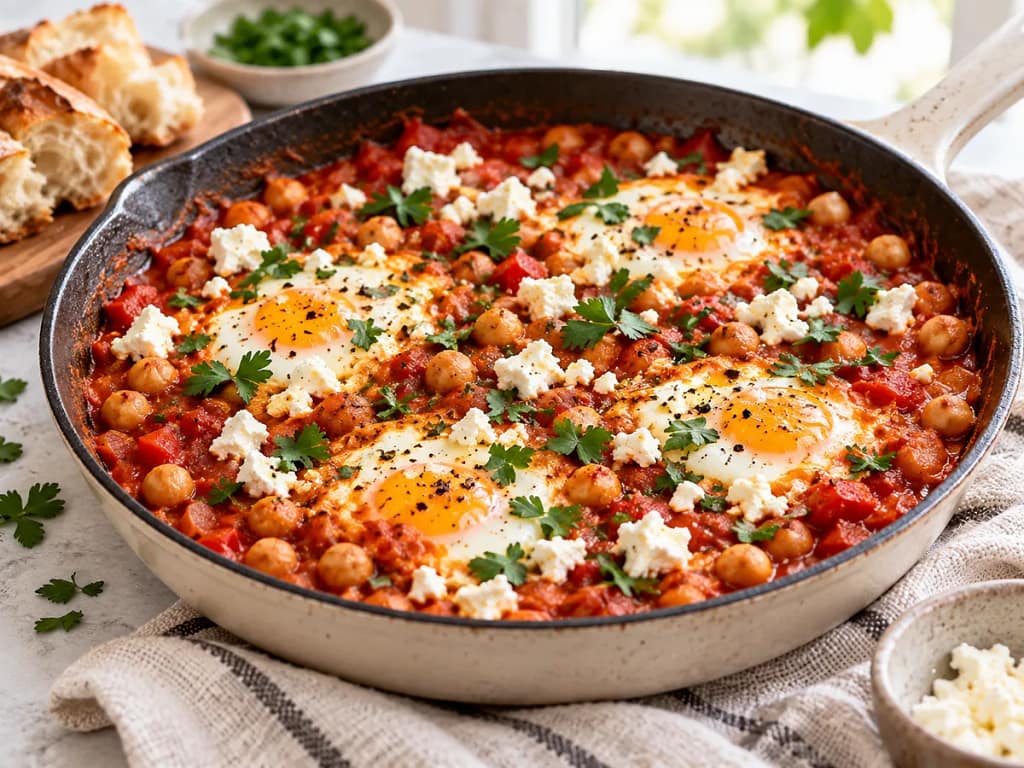
Eggs baked in spiced tomato with a tin of chickpeas stirred through, so the protein and the fibre come from the same pan. Serves 2, about 30 minutes, from the breakfast chapter.
Chicken Shawarma Protein Box with Hummus (47 g protein)
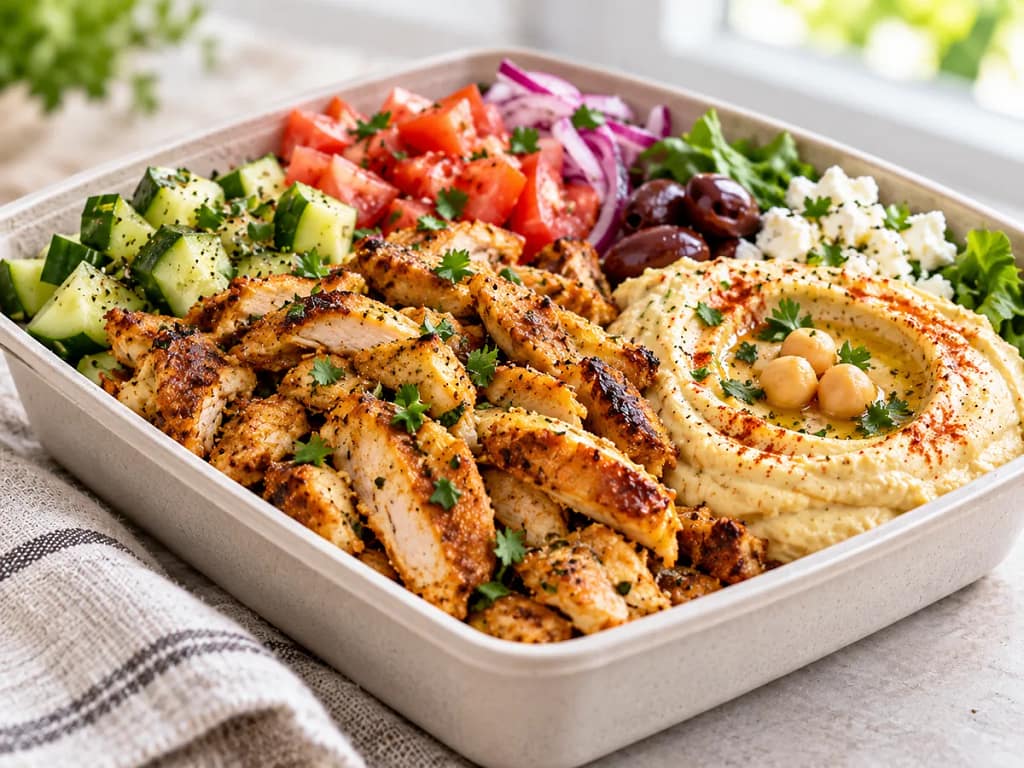
One tray of spiced chicken fills four lunch boxes with herby couscous, crunchy salad and hummus. It keeps for 2 days in the fridge, so two lunches are sorted before the week starts.
Miso-Glazed Salmon with Pak Choi & Sesame Noodles (45 g protein)
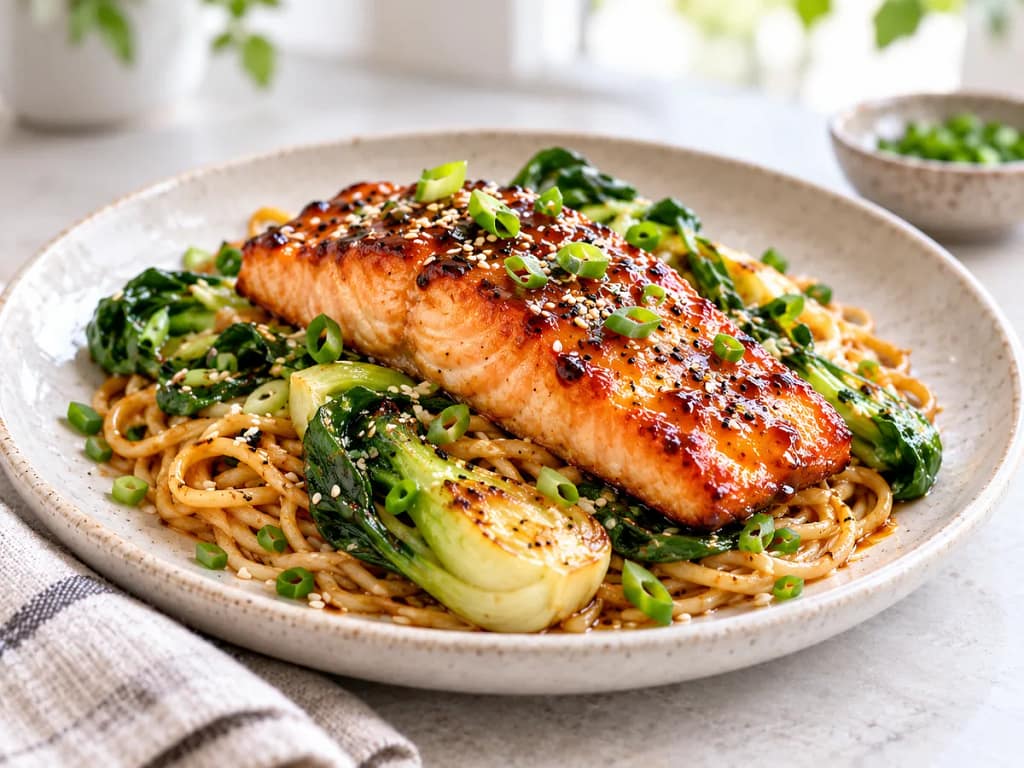
Miso and a little honey brushed on salmon and grilled until the edges caramelise, served over noodles with edamame and pak choi. Serves 2, about 25 minutes, from the 30-minute dinners chapter.
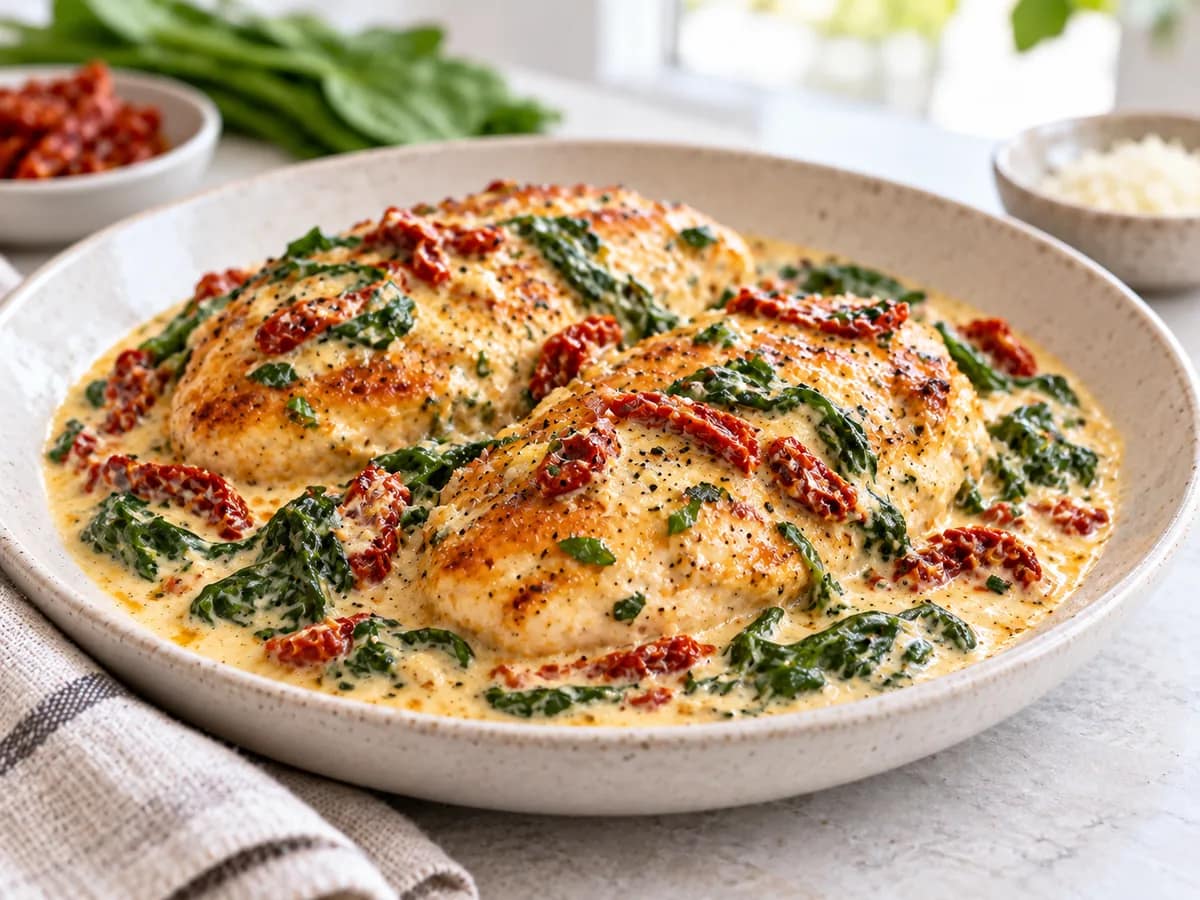
Creamy Tuscan Chicken with Spinach & Sun-Dried Tomatoes (53 g protein)
The restaurant version leans on double cream. In the book, a little parmesan and Greek yogurt make a similar creamy sauce, served over wholewheat pasta. Serves 4, about 30 minutes. It is the dish in the photo at the top of this page.
When will it be on Amazon?
The recipes are written and photographed, and the book is being finished now. It is not on Amazon yet. The day it goes live, I will add the link right here, so bookmark this page and check back soon.
You can also follow Life Cookery on Pinterest, where new recipes and the launch news go first.
Want to start cooking high-protein meals tonight? Try these 5 easy high protein slow cooker recipes for menopause, or see how to build 30 g protein meals from food you already buy.
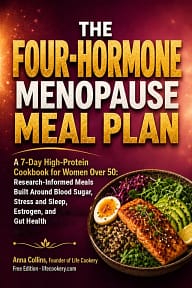
Free: The Four-Hormone Menopause Meal Plan
Seven days of easy high-protein meals for perimenopause and beyond: 21 recipes plus a simple swap guide, sent straight to your inbox.
Get the free 7-day planMedical note
This post is for general information and is not medical advice. If you have kidney disease, high blood pressure or heart failure, take insulin or another glucose-lowering medicine, or follow a diet your doctor prescribed, talk to your doctor or a registered dietitian before changing how much protein or salt you eat.
Sources
- Bauer J, et al. Evidence-based recommendations for optimal dietary protein intake in older people: a position paper from the PROT-AGE Study Group. Journal of the American Medical Directors Association. 2013;14(8):542–559.
- Volkert D, et al. ESPEN practical guideline: Clinical nutrition and hydration in geriatrics. Clinical Nutrition. 2022. doi:10.1016/j.clnu.2022.01.024
- Paddon-Jones D, Rasmussen BB. Dietary protein recommendations and the prevention of sarcopenia. Current Opinion in Clinical Nutrition and Metabolic Care. 2009;12(1):86–90.