Kimchi for Menopause: A Natural Fix for Belly Bloat and Brain Fog
Turning to kimchi for menopause relief is one of the most effective ways to combat sudden brain fog and stubborn abdominal bloating. Menopause brings hormonal changes that often catch us off guard, radically altering our microbiome. Instead of reaching for expensive supplements to manage these shifts, the solution might be sitting in the refrigerated aisle of your local grocery store. This traditional Korean staple is more than just a side dish. It is a probiotic powerhouse capable of restoring your gut health and easing some of the most frustrating symptoms of your 50s.
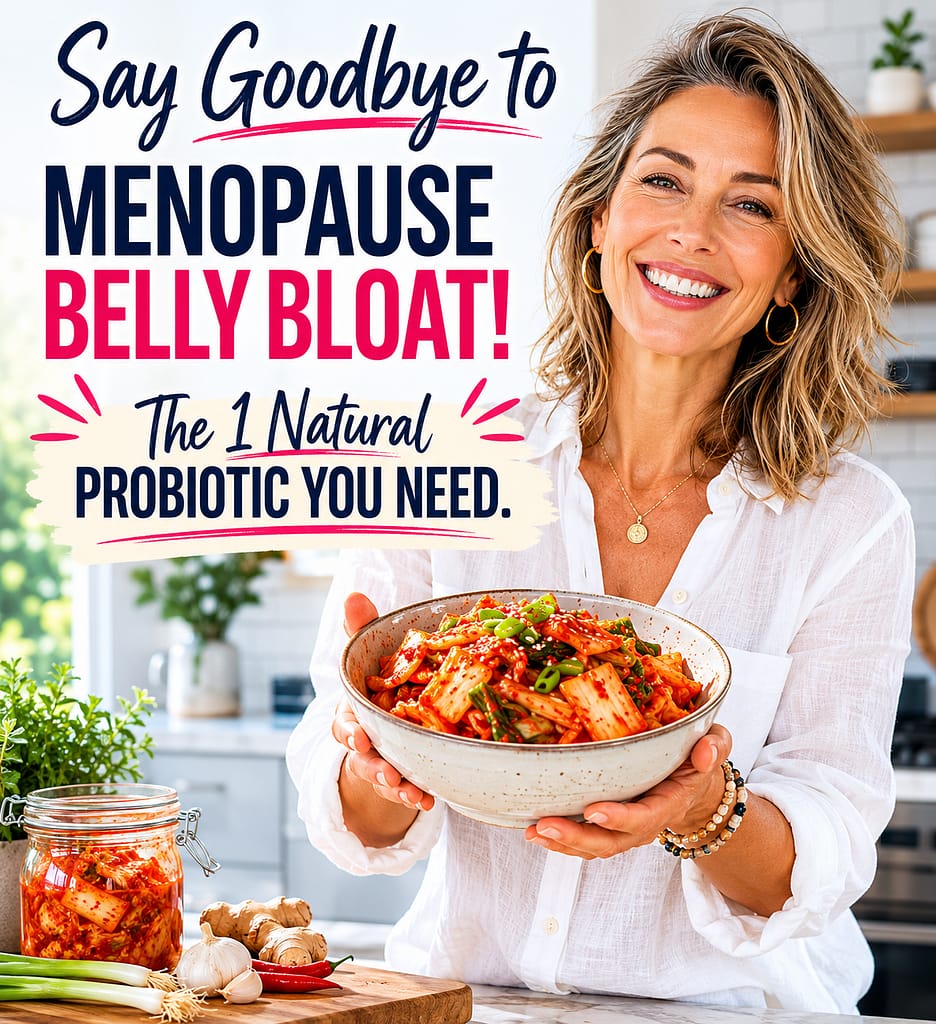
Why Your Gut Changes After 50 Estrogen levels drop significantly during menopause. This hormonal shift doesn’t just trigger hot flashes; it radically alters your microbiome. Your digestive system is directly linked to both mood and metabolism. When your gut flora loses its balance, the physical effects are immediate. You experience persistent bloating. Your metabolism slows down. Your mental clarity dips. Kimchi steps in as a natural probiotic to repopulate your gut with beneficial bacteria, bringing your digestive system back into harmony.
This isn’t just a trendy side dish. It provides targeted, real support for the most common menopause symptoms:
- Beats the Belly Bloat: Plummeting estrogen slows down digestion. The live probiotic cultures and fiber in kimchi work together to improve your gut flora and banish that heavy, bloated feeling.
- Clears Brain Fog & Boosts Mood: Did you know your gut produces the majority of your serotonin (the happy hormone)? A healthy gut flora translates directly to fewer mood swings, reduced anxiety, and a clear, focused mind.
- A Natural Immunity Boost: Fermented vegetables naturally stimulate the immune system, protecting our bodies when hormonal shifts leave us feeling run down.
- Heart & Metabolic Support: Studies show that eating this fermented cabbage regularly can help regulate blood cholesterol and lipid levels—markers that often become a concern post-menopause.
How Kimchi for Menopause Provides Targeted Relief
The live probiotic cultures and fiber in kimchi actively combat the digestive slowdown caused by plummeting estrogen. Together, they banish that heavy, bloated feeling. Because your gut produces the majority of your serotonin, restoring your microbiome also translates to fewer mood swings and reduced anxiety. Your mind clears. Beyond digestion and mood, fermented vegetables naturally stimulate the immune system and help regulate blood cholesterol, markers that frequently become a concern post-menopause.
What About Salt? Tips for High Blood Pressure
High blood pressure is incredibly common as we age. Traditional fermentation requires salt, which might raise some red flags. Here is how you can enjoy the benefits without stressing your cardiovascular system:
- Keep Portions Small & Hydrate: Stick to the lower end of the portion guide (around 1 ounce / 30 grams) and make sure you drink plenty of water throughout the day.
- Pair with Potassium: Potassium naturally neutralizes the effects of sodium on your blood pressure. Eat your kimchi alongside potassium-rich foods like avocados, sweet potatoes, or spinach.
- DIY Low-Sodium Versions: Making your own at home allows you to control the salt. You can replace a portion of the salt with a splash of apple cider vinegar to achieve that tangy flavor safely.
How to Get Started (And Where to Find It!)
“But Anna, where do I even buy this?” It’s easier than ever! You can find jars of fresh kimchi in the refrigerated sections of Whole Foods, Trader Joe’s, or your local Asian market like H-Mart.
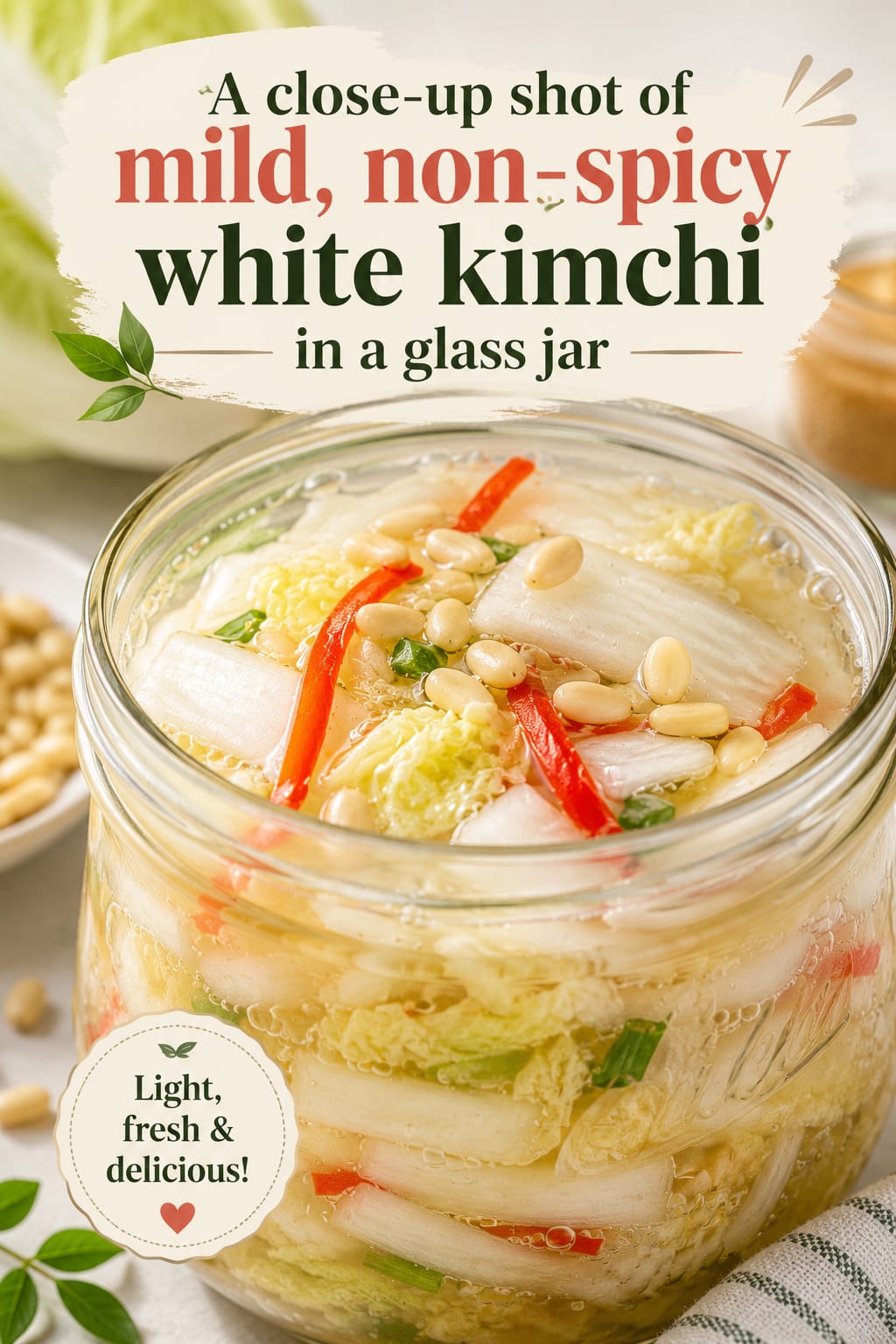
If you have a sensitive palate and can’t handle the heat, look for “White Kimchi” (Baek Kimchi). It’s a mild, non-spicy version made without the fiery chili flakes, but still packed to the brim with those precious probiotics!
What’s the Optimal Daily Portion?
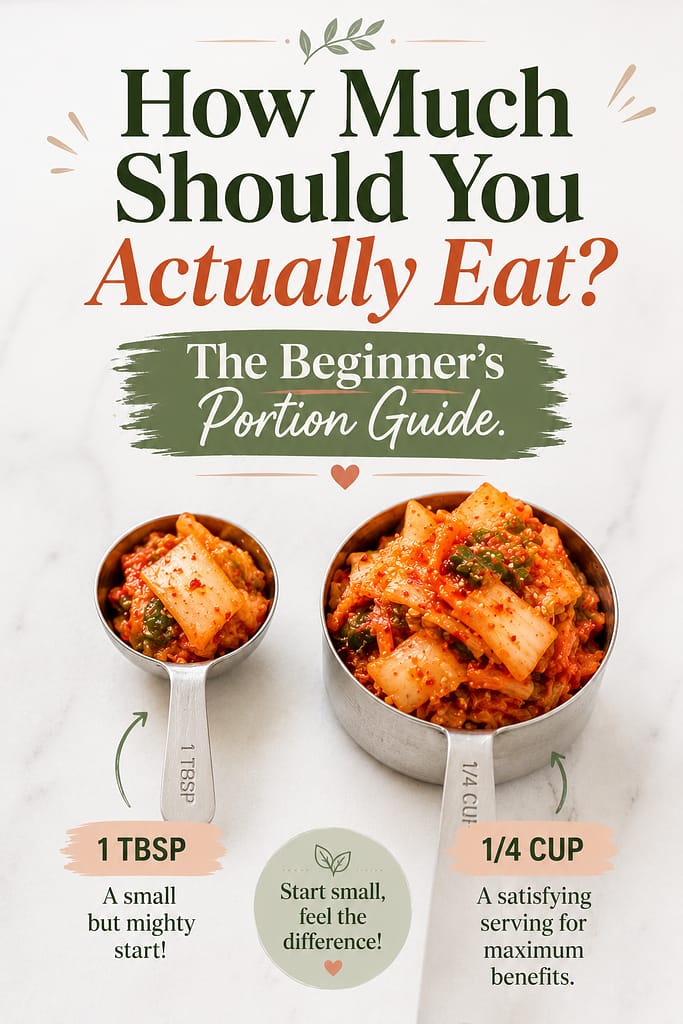
The secret to gut health is consistency, not volume. Your digestive system needs time to adjust to the new fiber and bacteria.
| Phase | Recommended Portion | Frequency |
| Introductory (First 7 Days) | 15 – 30 grams (0.5 – 1 ounce / 1-2 tbsp) | Every other day |
| Daily Maintenance | 50 – 100 grams (1.8 – 3.5 ounces / ¼ – ½ cup) | Daily |
Best Pairings to Maximize the Benefits
For probiotics to thrive in your gut, they need “food”—otherwise known as prebiotics.
- Prebiotic Fiber: Serve it over a warm bowl of quinoa, brown rice, or roasted root vegetables.
- Healthy Fats: Drizzling extra virgin olive oil over a kimchi bowl or adding sliced avocado slows down digestion and prevents blood sugar spikes.
- High-Quality Protein: Pairing it with pasture-raised eggs, tofu, or lean chicken creates a perfectly balanced meal to help maintain muscle mass, which is crucial during menopause.
Science Spotlight: The Ultimate Detoxifier
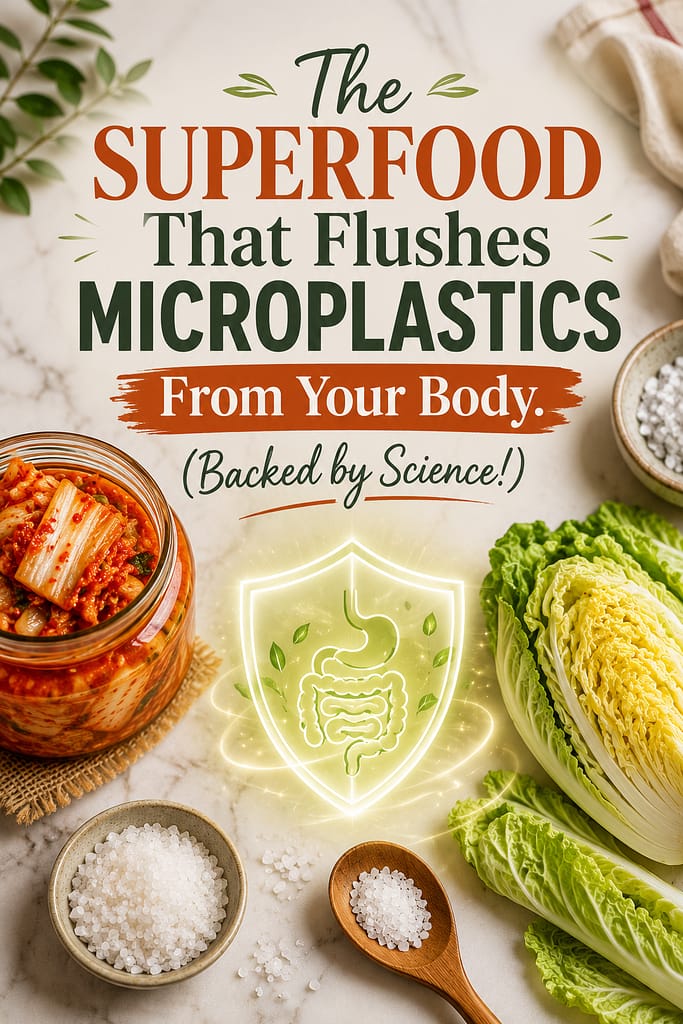
I saved the most fascinating scientific breakthrough for last! The gut benefits are truly just the tip of the iceberg.
Recent scientific journals have revealed that a specific probiotic strain derived from kimchi actually promotes the binding and excretion of nanoplastics from the body! Research shows that these microscopic plastic particles, which are everywhere in our modern environment, can accumulate in our organs, including our brain and kidneys. The lactic acid bacteria in this Korean delicacy act as microscopic bodyguards, naturally detoxifying our systems and sweeping these environmental pollutants right out of our bodies.
The Visual Journey: Kimchi’s Amazing Transformation
If you want to truly understand the magic behind fermentation, seeing the process unfold is essential. In a captivating episode for Bon Appétit, Lauryn Chun, founder of Mother-in-Law’s Kimchi, takes viewers on a visual masterclass titled Kimchi’s Amazing Transformation: One Hour to One Year. She goes beyond the basic recipe, demonstrating exactly how the ingredients—carefully portioned in both grams and ounces—evolve over time. You will see the crisp, fresh cabbage slowly transform into a deeply fermented, probiotic-rich remedy as the weeks and months pass. It is a fascinating watch that perfectly illustrates why the aging process unlocks the true healing power of kimchi for menopause. Hit play below to see the transformation for yourself.
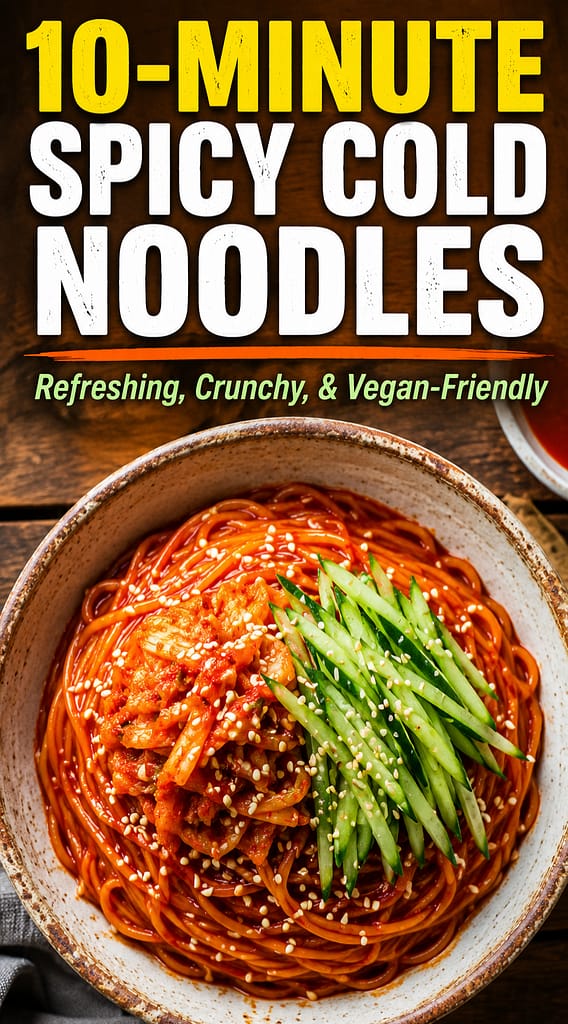
10-Minute Spicy Korean Cold Noodles (Bibim-Guksu)
Bibim-guksu balances sweet, tangy, and spicy flavors in a quick Korean cold noodle dish that takes less than 10 minutes to prepare. The ice bath prevents the noodles from turning mushy, while the fermented cabbage adds a sharp depth to the sauce. It is fast, bold, and satisfying.
Ingredients
- Noodles: 200g (7 oz) of soba, rice, or wheat noodles.
- Kimchi: 1 cup (150g / 5.3 oz), roughly chopped.
- The Sauce:
- 1 tbsp (15 ml) Gochujang (Korean chili paste)
- 1 tbsp (15 ml) soy sauce or tamari
- 1 tbsp (15 ml) Maple syrup or honey
- 1 tsp (5 ml) Rice vinegar
- 1 tbsp (15 ml) Toasted sesame oil
- Garnish: Fresh julienned cucumber and toasted sesame seeds.
Instructions
- Cook the noodles: Boil the noodles according to the package instructions. Once tender, drain them and immediately plunge them into a bowl of ice water. This stops the cooking process instantly. Your noodles will remain firm and chewy.
- Mix the sauce: In a large bowl, whisk together the gochujang, soy sauce, syrup, rice vinegar, and sesame oil until fully smooth.
- Combine: Fold the chopped kimchi into the sauce base. Add the thoroughly drained noodles and toss well until everything is evenly coated.
- Serve: Transfer the noodles to a serving bowl. Top with a handful of cucumber strips and a pinch of sesame seeds. Eat immediately.
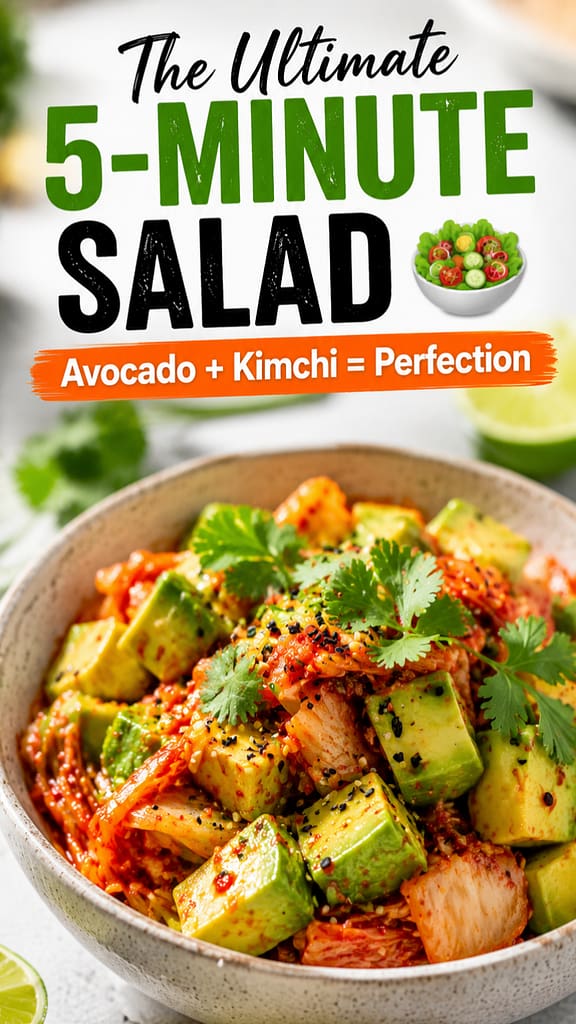
Creamy Avocado and Kimchi Salad
This salad relies on simple contrast and balance. The rich, buttery creaminess of a ripe avocado acts as a natural cooling agent for the bold, tangy kick of fermented cabbage. The pairing goes beyond just flavor. The healthy monounsaturated fats from the avocado help your body absorb vitamins, while the kimchi delivers a direct dose of probiotics to support your gut health. It requires minimal effort.
Ingredients
- Avocado: 1 large, ripe fruit.
- Kimchi: ½ cup (115g / 4 oz), roughly chopped.
- Acid: Fresh juice from ½ a lime.
- Herbs: A handful of fresh cilantro, roughly chopped.
- Texture: 1 tsp (5 ml) toasted sesame or black nigella seeds.
Instructions
- Prep the base: Halve the avocado, remove the pit, and scoop out the flesh. Dice it into bite-sized cubes.
- Combine: Place the avocado and chopped kimchi into a medium bowl. Fold them together gently to distribute the spicy juices without mashing the avocado. You want distinct, creamy pieces.
- Brighten and garnish: Drizzle the fresh lime juice over the mixture. Scatter the cilantro and seeds on top for an earthy crunch.
- Serve: Eat immediately.
Final Thoughts: Food as a Strategic Biohack
Menopause is a natural transition, not a life sentence. Small, targeted dietary tweaks can significantly change how you function day to day. Adding fermented foods to your routine is just one example of using nutrition as a strategic tool. Think of kimchi as a natural biohack. It is a simple, highly effective way to manipulate your microbiome and manage the physical effects of hormonal shifts.
If you want to explore other practical, everyday adjustments that yield profound results without requiring expensive supplements, this concept is just the beginning.

In my guide, The Zero-Cost Menopause Reset: 10 Science-Backed Biohacks to Reclaim Your Body (Without Spending a Dime), I break down exactly how to leverage your body’s natural mechanics to your advantage. You do not need to empty your wallet to feel like yourself again. You just need the right strategies.
Discover the full protocol and reclaim your body today
Let me know in the comments below: what’s your favorite way to eat kimchi?
With love and good health,
Anna Collins
REFERENCES
Kimchi-derived probiotic found to promote binding and excretion of nanoplastics. (2026, March 18). Phys.org. https://phys.org/news/2026-03-kimchi-derived-probiotic-excretion-intestinal.html
Barrea, L., Verde, L., Auriemma, R. S., Vetrani, C., Cataldi, M., Frias-Toral, E., Pugliese, G., Camajani, E., Savastano, S., Colao, A., & Muscogiuri, G. (2023). Probiotics and prebiotics: Any role in menopause-related diseases? Current Nutrition Reports, 12(1), 83–97. https://doi.org/10.1007/s13668-023-00462-3
Kimchi-derived probiotic found to promote binding and excretion of nanoplastics. (2026, March 18). Phys.org. https://phys.org/news/2026-03-kimchi-derived-probiotic-excretion-intestinal.html
Kimchi-derived probiotic found to promote binding and excretion of nanoplastics. (2026, March 18). EurekAlert!. https://www.eurekalert.org/news-releases/1120173
Medical Disclaimer
“The content on Blog Life Cookery, including text, graphics, and images related to metabolic health, CGMs, dietary supplements, and hormonal balance, is for informational and educational purposes only. It is not intended as a substitute for professional medical advice, diagnosis, or treatment. Always consult your physician before starting any new supplement regimen, as certain vitamins and minerals may interact with prescription medications. Never disregard professional medical advice or delay seeking it because of anything you have read on this website.”
Affiliate Disclosure:
“In compliance with the FTC guidelines, please assume that some of the links on this website are affiliate links. If you click a link and make a purchase, I may receive a small commission at no extra cost to you. I only recommend products – such as CGM sensors, health trackers, and high-quality supplements – that I have personally tested or thoroughly researched. This support helps keep the ‘Bio-Metabolic Kitchen’ running and providing data-driven insights for women 40+.”